
3D laser scanning captures the exact conditions of educational buildings with high accuracy. For schools and universities, this helps when dealing with old structures, tight renovation timelines, or hard-to-reach areas. The process uses laser equipment to collect millions of data points per second, creating a point cloud that shows the space’s geometry and dimensions. If you need accurate site data for your next project 3D Laser Scanning Dallas offers a smarter way to document existing conditions for architects, engineers, and contractors.. No guesswork. No outdated blueprints.
In Dallas, where many campuses are expanding or getting updates, laser scanning helps architects and engineers avoid surprises. They often use it before starting renovation or expansion work. The scan creates a digital model—accurate to the millimeter—that works with Revit or AutoCAD. It can include walls, floors, ceilings, HVAC, piping, and structural parts. This helps when original plans are missing or wrong.
One common mistake is waiting too long to scan or thinking it only applies to historic buildings. It matters just as much for newer campuses. Skip it, and you might run into problems during construction—pipes that don’t fit, ductwork that clashes, or walls in the wrong place. Scan early to avoid costly changes later.
Facility managers also use scan data for long-term planning. It gives a digital record of what’s in place, making asset tracking easier. Property owners get a clear starting point for future work. Here is why it matters: you need to know what’s there before making changes.
When schools plan renovations or additions, they need precise building records. 3D laser scanning delivers that. Old floor plans and hand measurements often miss key details. Scanning captures the exact layout of walls, ceilings, mechanical systems, and structures. That data becomes a digital model architects and engineers can use right away.
In Dallas, many schools were built decades ago and changed over time. Scanning helps spot surprises before construction begins. Contractors often find walls in the wrong place, ceilings at the wrong height, or pipes where they shouldn’t be. Each surprise adds cost and delays. A scan shows those issues early.
It also helps with rules and upgrades. ADA changes, fire safety updates, and HVAC work all need accurate info. Scanning collects that data fast—often in a day or two—even for large schools. It doesn’t interrupt classes or close buildings.
Some skip scanning to save time. That move can backfire. Bad measurements lead to design changes, permit delays, and extra costs. School projects run on tight budgets and strict calendars. A scan at the start helps avoid problems later.
Scanning starts by using LiDAR equipment, usually terrestrial laser scanners placed at several spots inside and outside the building. These devices send out laser pulses to measure distances with millimeter accuracy and collect millions of data points each second. Schools often need scanning during off-hours to avoid interference. The goal is full coverage—hallways, classrooms, mechanical rooms, stairwells, and rooflines. Every scan must align correctly. Missing areas or misaligned scans early on causes problems later.
After collecting the raw scans, the next step is aligning them into one coordinate system. This step, called registration, matches overlapping features and corrects any drift. Large schools may need dozens or hundreds of scans. Accuracy matters—misaligned scans lead to walls or floors that don’t match up. Technicians use targets or features like doors and columns to anchor the scans. Poor registration means delays and extra work later.
Once registered, the data forms a dense point cloud—a digital version of the building made up of millions of XYZ coordinates. It shows the structure’s true shape, including uneven surfaces or undocumented changes from past work. Schools often have additions or retrofits not shown in drawings. The point cloud fills those gaps. Analysts can pull sections, elevations, and measurements from this data before modeling starts.
Next comes building the 3D model, usually in Revit or similar software. This step involves tracing the point cloud to define walls, floors, windows, and mechanical systems. For schools, the model must support renovation, expansion, or code work—so it needs to be accurate. Each element uses real-world measurements from the scan. Complex or older buildings take longer to model. Rushing leads to errors that don’t match the actual space.
Finally, the model is prepared for BIM use. This lets architects, engineers, and facility teams coordinate design and construction. BIM-ready models include layers for structural, architectural, and MEP systems. In schools, where space is tight and systems overlap, this helps avoid clashes and supports long-term planning. If the model isn’t ready for BIM, it’s harder to use for future work. Here is why this step matters—it turns raw data into a tool for smart decisions.
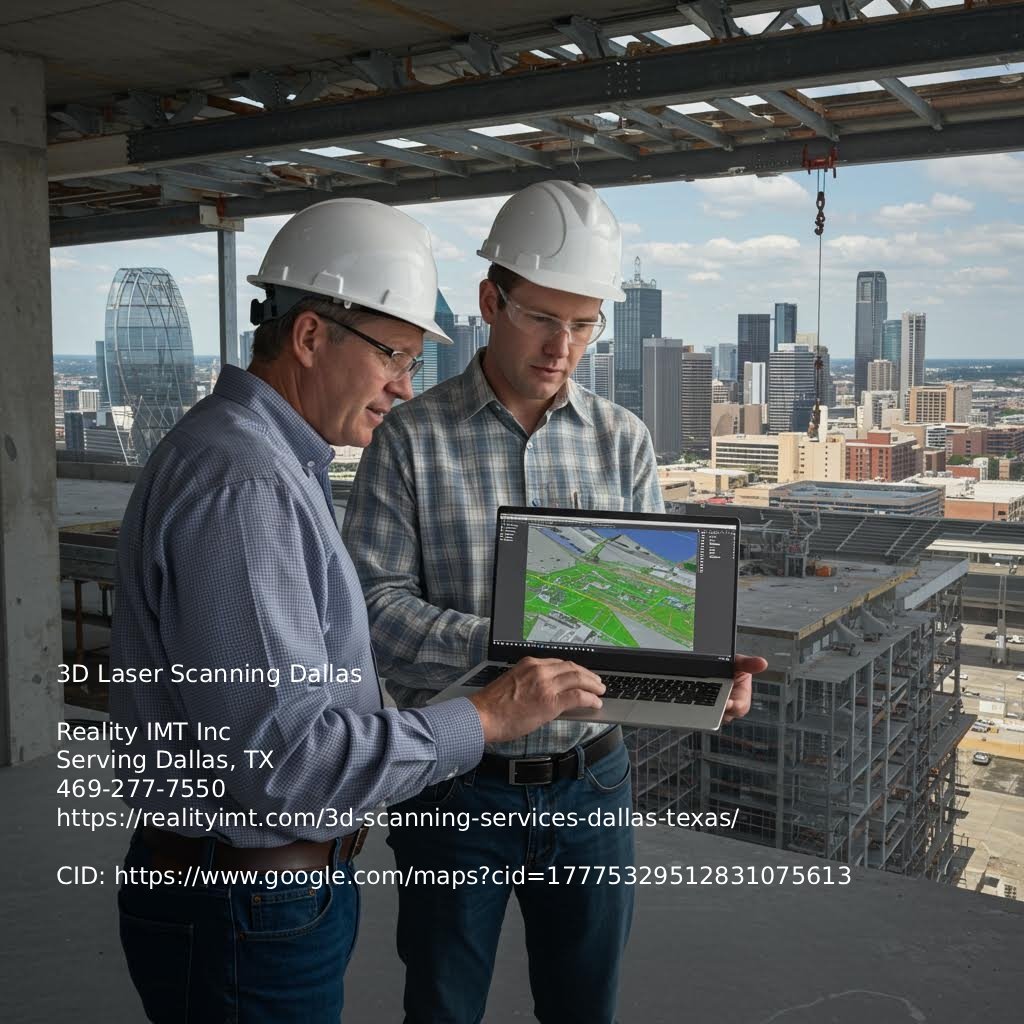
Older educational buildings in Dallas often bring measurement problems. Traditional methods take too long and miss details. Many schools have odd layouts—twisting hallways, added wings, and hidden mechanical rooms. Tape measures and old floor plans don’t cut it. Here is why 3D laser scanning helps.
Access can also be tricky. Areas like crawl spaces or ceiling voids are hard to reach. With the right scanner, crews can map these spots from a distance. That’s quicker and safer. Scanning after hours or during breaks also avoids disrupting students and staff.
Laser scanning collects millions of data points from every visible surface. It builds a detailed point cloud of the building. That matters when floor plans no longer match the real space. Past renovations often left undocumented changes. A scan shows what’s really there—wall thickness, ceiling height, structure, and even visible pipes. This gives architects and engineers a clear starting point and saves time.
Skipping this step or using old drawings can cause expensive mistakes. Misaligned walls or wrong dimensions delay construction. 3D scanning helps avoid those problems. For Dallas schools with aging buildings, it’s one of the best ways to get accurate data before design work starts.
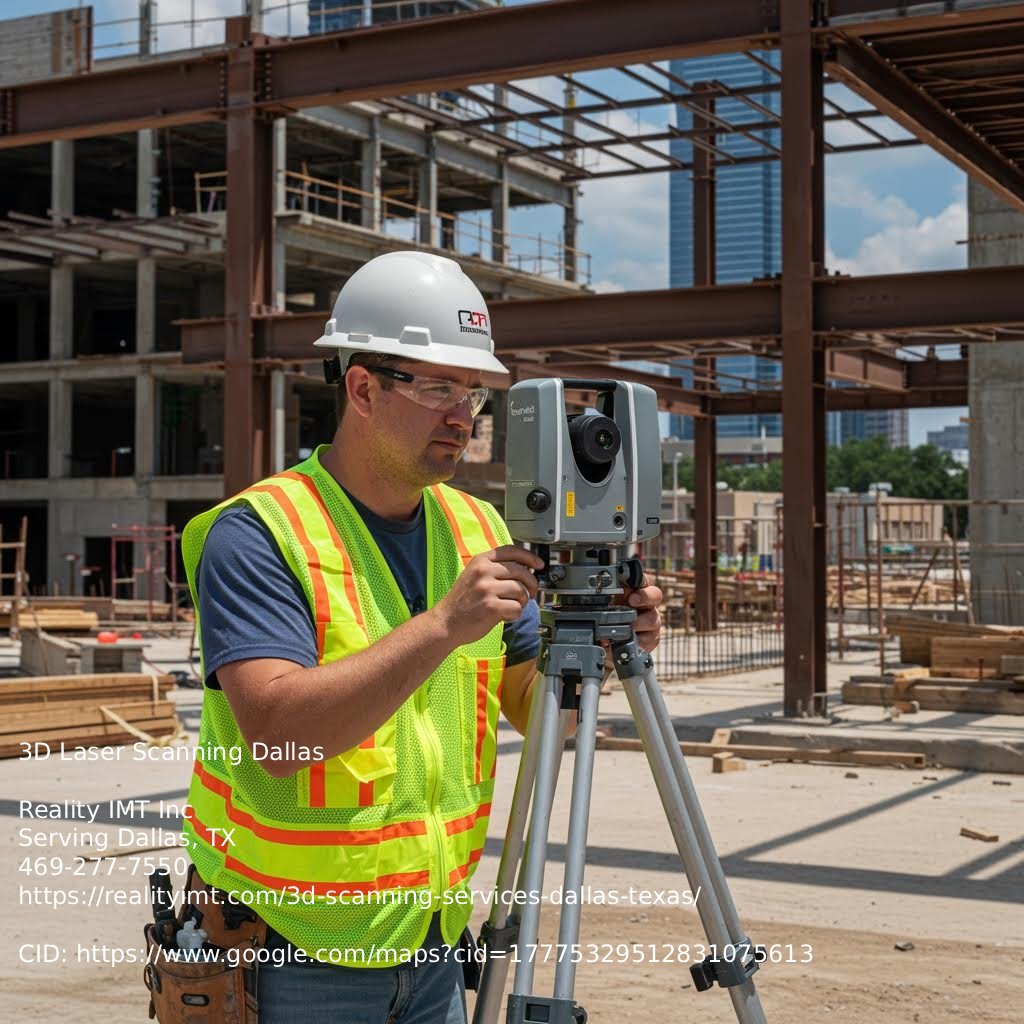
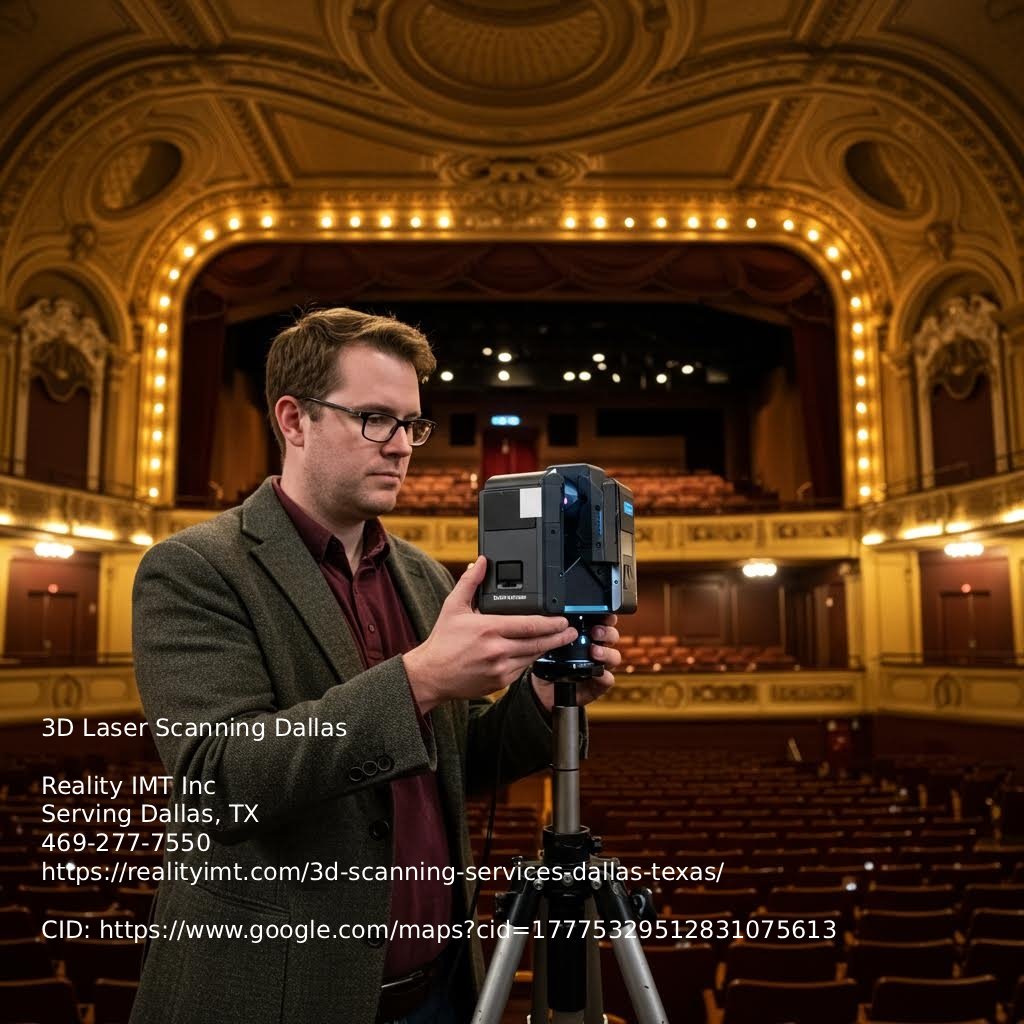
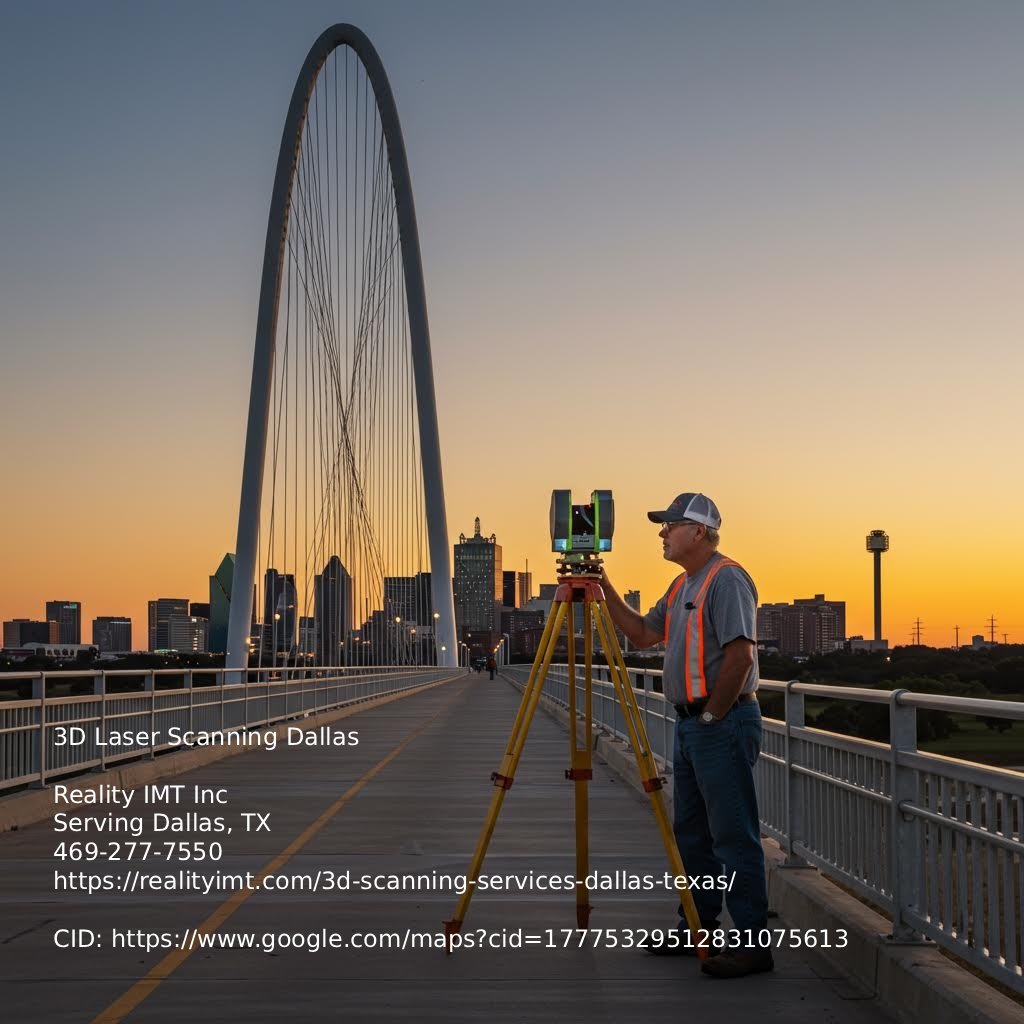
3D laser scanning helps facility managers and engineers track current conditions with high accuracy. In older school buildings in Dallas, blueprints are often outdated or missing. So when it's time to renovate, add systems, or repurpose space, guessing won't cut it. A scan captures the exact structure, down to millimeter detail. That includes walls, ceilings, floor levels, and visible mechanical, electrical, and plumbing systems.
With a full point cloud or mesh model, teams can track changes over time. Want to see how HVAC systems are aging or if the structure is shifting? Compare scans from different years. This data supports long-term maintenance, not just construction.
Space planning matters too. Schools often need to reconfigure rooms or add new uses. Instead of measuring by hand or relying on old CAD files, laser scans give you an accurate digital model. That helps planners and architects make decisions based on real dimensions. You can also check for clashes before installing new systems and avoid surprises.
Some teams think they’ll figure it out during renovation. But being off by a few inches can mess up ductwork, fire systems, or ADA compliance. That leads to delays and higher costs. A scan at the start helps avoid those problems. Here is why: it sets the project up to build it right the first time.
After scanning a school building with 3D laser tools, the result is a dense point cloud—a digital set of millions of data points showing every visible surface. But that’s just the start. To help architects, engineers, or facility managers, the data must become usable files like 2D floor plans, CAD drawings, and Revit models.
Teams load point clouds into software like Autodesk ReCap or Leica Cyclone to begin. They clean up the data by removing noise, aligning scans, and combining everything into one accurate model. Once verified, the point cloud helps trace geometry and build CAD files. These files show walls, doors, windows, ceiling heights, and mechanical features with more accuracy than manual measurements.
Using BIM? The point cloud supports Revit modeling. These models include dimensions and support clash detection, space planning, and renovation design. In Dallas, this helps with older campus buildings that lack reliable blueprints. A current Revit model helps avoid surprises during construction.
Watch out for two common mistakes. First, skipping the modeling phase and relying only on the point cloud slows design work and causes confusion. Second, over-modeling adds useless detail that bloats files and hurts performance. Model only what the project needs. Nothing more.
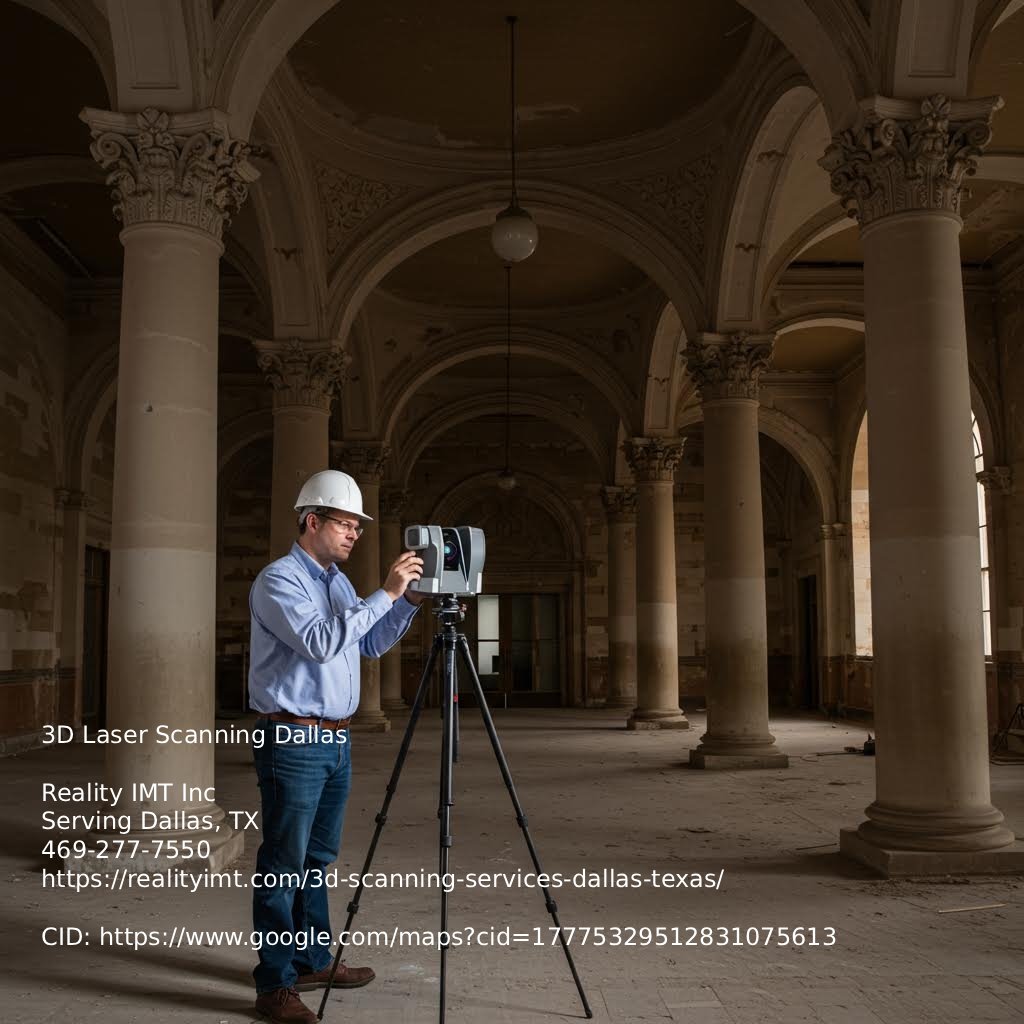
In school renovation projects, 3D laser scanning removes guesswork. But before starting, know what affects the cost. Building size matters—larger or multi-level spaces take more time to scan and process. The needed level of detail also plays a role. Simple floor plans take less time. Scanning mechanical rooms, ceiling spaces, or historic facades takes more. Accessibility adds to the cost too. If scanning happens after hours or on weekends, labor costs go up.
Here is why it’s worth it. Scanning often pays off fast. One big benefit is fewer RFIs. Accurate models mean architects and engineers don’t need to ask for extra measurements. That cuts delays. It also means fewer change orders during construction, which saves time and money.
In Dallas, many schools were built decades ago and updated in pieces. Original drawings are often missing or wrong. Scanning gives you a current, accurate digital model in formats like Revit or AutoCAD. The whole design team uses the same data. Design moves faster because you’re not waiting for field checks or fixing errors. You start with trusted data.
Skipping scanning might save money at first. But mistakes during design or construction cost more to fix later.
3D laser scanning works best early in the planning phase—before design starts. If you're renovating a school, adding space, or updating systems, you need accurate building data. Old floor plans won’t do. Buildings change. Walls move. Ceilings shift. A scan shows what’s really there, measured down to the millimeter.
Architects and engineers usually ask about accuracy first. Most scanners used in schools deliver results within 2–4 millimeters. That’s enough for design, clash checks, and coordination. On older campuses in places like Dallas, where records may be missing, this level of detail helps a lot.
Now, about file formats. The raw scan often comes in .rcs or .e57. But most teams don’t use point clouds directly. You’ll get a Revit model (.rvt), 2D CAD files (.dwg), or both. Make sure to confirm this early, especially if your project involves MEP, structural, and architectural teams. Each may need different files.
Watch out for common mistakes. Scanning too late is a big one. If demolition has started or temporary systems are in place, the scan won’t show original conditions. Another issue is underestimating scope. A full building scan takes time—sometimes days, depending on size and access. A 200,000 sq ft campus won’t be done in an afternoon.
Bottom line: 3D scanning gives you solid data. But it only works if you plan ahead and know what to expect. Ask questions. Know the accuracy you need. Skip the guesswork—bad data leads to costly surprises.
Planning a renovation, expansion, or layout change in a Dallas school building? Start with accurate building data. That means booking a 3D laser scan. These scans capture walls, ceilings, mechanical systems, and structural elements with millimeter precision. The data becomes a digital model that architects, engineers, and contractors use to make early design decisions.
Getting started is simple. Share a few details: building size, number of floors, access to interior spaces, and your timeline. If the building is occupied, that’s okay—it just needs coordination. Walkthroughs, stairwells, classrooms, and mechanical rooms all get documented. The more info you share upfront, the better the team can plan the scan.
Scanning a typical school takes one to three days onsite. Processing and delivering a Revit or CAD model takes one to two weeks. One common mistake? Waiting too long to schedule. If design starts before scanning, you risk conflicts, rework, or delays. Scan early so the model guides the design from the start.
Not sure how much detail you need? Ask during the quote. Some projects need only structural and architectural geometry. Others may need more. The point is: don’t guess. Ask. The scan team will help you figure it out.